Ferrari SF-26 2026: Features, Specs, and Performance
Ferrari SF-26 2026 Introduction
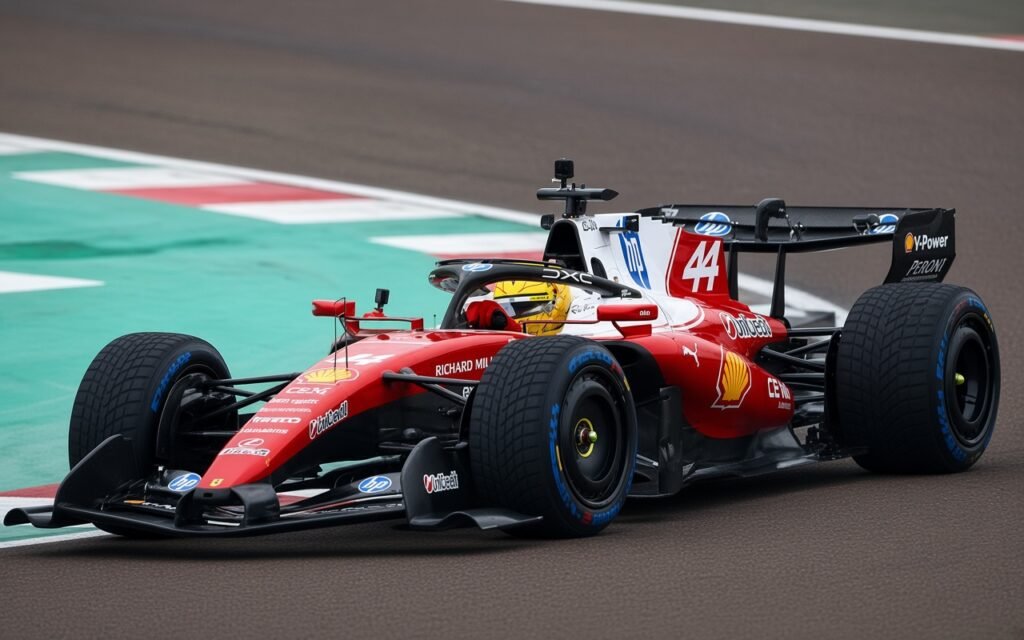
Ferrari is one of the most famous names in Formula 1, known for its racing history, advanced engineering, and passionate fans. The Ferrari SF-26 is the team’s car for the 2026 Formula 1 season. It brings new technology and design changes developed for the sport’s latest technical regulations.
The 2026 introduces major changes to Formula 1 cars, including their power units, aerodynamics, and energy management systems. These updates make the SF-26 an interesting car for racing fans who want to understand the future of motorsport.
Driven by Lewis Hamilton and Charles Leclerc, the Ferrari SF-26 represents another important chapter in the team’s racing journey. Let’s take a closer look at its design, engine, performance, technology, safety features, and expected costs.
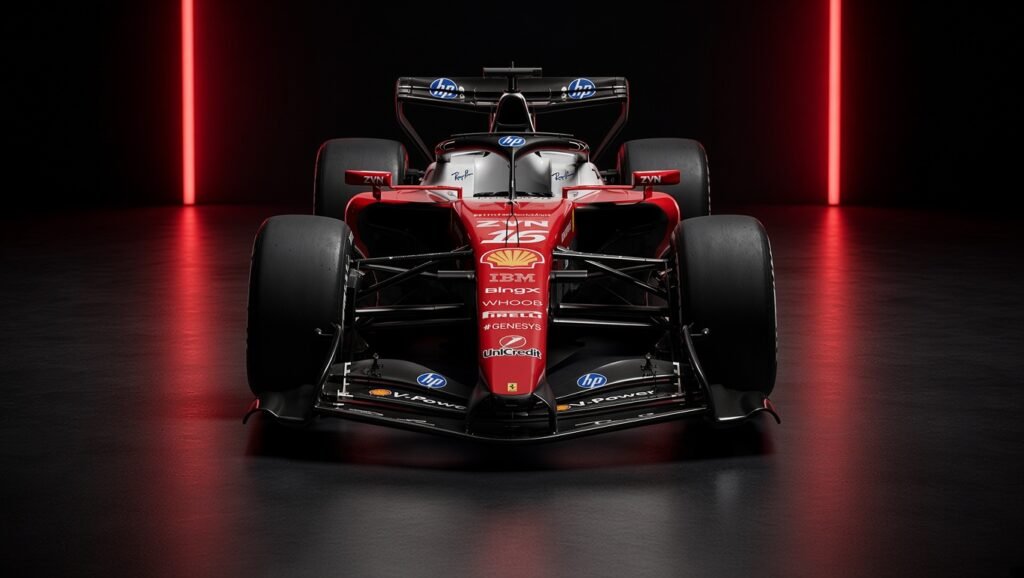
Ferrari SF-26 2026 Design and Exterior
The Ferrari SF-26 has been designed to meet the demands of modern Formula 1 racing. Its bodywork is shaped to help the car move through the air efficiently while maintaining the grip needed for fast corners.
The front wing, rear wing, nose, and sidepods all play important roles in controlling airflow. Even small changes to these components can affect a car’s speed and handling on the track.
The 2026 regulations also introduce smaller overall car dimensions compared with the previous generation. These changes are intended to make the cars more agile and help drivers compete more closely.
Ferrari’s design approach focuses on finding the right balance between aerodynamic efficiency, stability, and speed. Every major component has a specific purpose, making the SF-26 a machine built for racing rather than everyday driving.
Ferrari SF-26 2026 Engine and Performance
The Ferrari SF-26 uses a 1.6-liter turbocharged V6 hybrid power unit under the 2026 Formula 1 regulations. This system combines a traditional combustion engine with electrical power to deliver performance while improving energy efficiency.
The new rules increase the importance of electrical power. They also remove the MGU-H component used in previous-generation power units, making energy recovery and deployment even more important.
Under the 2026 regulations, the internal combustion engine is designed around approximately 400 kW of power, while the electrical system can contribute up to 350 kW under applicable conditions. These are regulatory figures, not a confirmed combined peak-output measurement for the Ferrari SF-26.
For Ferrari, the challenge is to use this power effectively throughout a race. Drivers and engineers must carefully manage energy, fuel consumption, tyre condition, and engine reliability.
A powerful engine alone cannot guarantee success in Formula 1. The complete package, including aerodynamics, suspension, strategy, and driver skill, plays a major role in determining resulFerrari SF-26 2026 Speed and Driving Performance
Speed is one of the most exciting aspects of any Formula 1 car. However, a car’s performance depends on much more than its maximum speed on a straight.
The Ferrari SF-26 has been developed for the new 2026 rules, which place greater emphasis on aerodynamic efficiency and energy management. Its performance will depend on how well Ferrari balances straight-line speed with grip through corners.
Track conditions also make a difference. A car may perform differently on a circuit with long straights compared with a track featuring tight corners and heavy braking zones.
Tyre management is another important factor. Drivers must maintain tyre performance while pushing hard enough to compete with other teams.
Ferrari’s development work throughout the season will be essential. Improvements to the aerodynamic package, suspension, and power-unit systems could influence the car’s competitiveness from one race to another.
Active Aerodynamics and New Technology
One of the major changes for the 2026 Formula 1 season is the introduction of active aerodynamics. These systems allow certain aerodynamic elements to adjust according to driving conditions.
The purpose is simple: reduce drag on straights and provide suitable aerodynamic performance in corners. This helps teams balance speed and grip more effectively.
The 2026 rules also introduce a Manual Override system that can give a pursuing driver additional electrical power in specified circumstances. It is intended to support overtaking opportunities and make racing more competitive.
Energy management will therefore become an even bigger part of a driver’s job. Drivers need to know when to deploy electrical power, when to recover energy, and how to prepare for an overtaking move.
These technologies show how Formula 1 continues to combine engineering, strategy, and driver skill.
Interior and Driver Cockpit
The Ferrari SF-26 does not have a conventional luxury interior like a road-going Ferrari. Its cockpit is designed around safety, comfort during competition, and complete control of the car.
The steering wheel contains various buttons, switches, and displays. These controls help drivers adjust settings, manage energy deployment, and communicate with their engineers while racing.
The seating position is carefully tailored to the driver. A secure and comfortable position helps maintain control during heavy braking and high-speed cornering.
Drivers also receive important information through the car’s display systems. This information helps them understand the car’s condition and make quick decisions during a race.
Every part of the cockpit serves a practical purpose. In Formula 1, even small details can matter when drivers are competing at extremely high speeds.
Ferrari SF-26 Safety Features
Safety is a major priority in Formula 1, and every competing car must meet strict FIA requirements.
The Ferrari SF-26 uses a carbon-fibre survival cell designed to protect the driver during an accident. Its construction is intended to combine strength with low weight, both of which are important in motorsport.
The car also features the Halo safety device, which provides additional protection around the driver’s head. Crash structures and other protective systems help manage the forces involved in an impact.
Drivers wear specially designed racing suits and protective equipment that meet the sport’s safety standards. Cars must also pass the required safety tests before they can compete.
Although Formula 1 remains a high-speed sport, continuous improvements in vehicle design, protective equipment, and safety procedures have made driver protection an essential part of modern racing.
Ferrari SF-26 2026 Specifications
Here is a quick look at the main details of the Ferrari SF-26 and its technical package.
| Specification | Details |
|---|---|
| Car name | Ferrari SF-26 |
| Model year | 2026 |
| Racing category | Formula 1 |
| Team | Scuderia Ferrari |
| Drivers | Lewis Hamilton and Charles Leclerc |
| Engine | 1.6-liter turbocharged V6 |
| Powertrain | Hybrid |
| Engine power under 2026 rules | Approximately 400 kW |
| Electrical power contribution | Up to 350 kW under applicable conditions |
| Fuel | Advanced sustainable fuel meeting FIA rules |
| Aerodynamics | 2026 active aerodynamic systems |
| Transmission | Formula 1 sequential transmission |
| Vehicle type | Purpose-built racing car |
These specifications include the main regulatory details. Exact Ferrari-specific figures, such as verified peak output and top speed, should be confirmed through official technical information or reliable race data.
Ferrari SF-26 Price and Cost
Many fans are curious about the price of the Ferrari SF-26. Unlike road-going Ferrari models, this car is not available through ordinary dealerships.
It is a purpose-built Formula 1 machine developed for professional competition. Designing, manufacturing, testing, and maintaining such a car requires specialist engineering and significant financial resources.
There is no standard public retail price for the complete SF-26. The final cost also depends on what is included, such as the chassis, power unit, replacement components, and development work.
Formula 1 teams operate under financial regulations that limit certain categories of expenditure, although not every expense falls within the same spending restrictions.
For these reasons, quoting one exact price without a reliable source could be misleading. The SF-26 is best understood as a highly specialised racing machine rather than a car intended for private road use.
Lewis Hamilton and Charles Leclerc
The Ferrari SF-26 is driven by Lewis Hamilton and Charles Leclerc, two experienced Formula 1 competitors.
Hamilton brings years of experience at the highest level of motorsport. His feedback helps engineers evaluate car balance, tyre behaviour, race strategy, and possible improvements.
Leclerc is known for his qualifying pace and attacking driving style. His experience with Ferrari is valuable when testing new setups and working with the engineering team.
Both drivers play an important role in helping Ferrari understand the car’s strengths and weaknesses. Their feedback during practice sessions and races can guide future development.
However, having talented drivers is only one part of success. Reliability, pit stops, strategy, and the speed of the car itself are equally important over a full season.
Ferrari SF-26 vs Other Formula 1 Cars
Ferrari faces competition from teams such as Mercedes, McLaren, Red Bull Racing, and other constructors on the Formula 1 grid.
All teams must follow the same basic technical regulations, but they can develop different solutions for aerodynamics, chassis design, and energy management.
The Ferrari SF-26 needs to deliver strong performance in several areas. It must have good straight-line speed, sufficient grip in corners, reliable power delivery, and effective tyre management.
Comparing cars based only on their appearance is not enough. Qualifying times, race pace, reliability, and championship points provide a better picture of their actual performance.
As the season progresses, teams will introduce upgrades and learn more about the new regulations. This development race could significantly affect the competitive order.
Pros and Cons of the Ferrari SF-26
Pros
- Designed for the latest Formula 1 technical regulations.
- Advanced hybrid powertrain technology.
- Active aerodynamics focused on efficiency.
- Experienced drivers in Lewis Hamilton and Charles Leclerc.
- Backed by Ferrari’s long motorsport engineering history.
Cons and Challenges
- New technical regulations create uncertainty for every team.
- Managing electrical energy requires careful planning.
- Development and reliability remain major challenges.
- Performance depends on track conditions and car setup.
- Strong competition from other Formula 1 teams.
These points highlight the car’s technical opportunities and challenges. Actual strengths will become clearer through qualifying sessions and race results.
Frequently Asked Questions (FAQs)
1. What is the Ferrari SF-26?
The Ferrari SF-26 is Scuderia Ferrari’s Formula 1 car for the 2026 season, developed to meet the sport’s new technical regulations.
2. Who drives the Ferrari SF-26?
Lewis Hamilton and Charles Leclerc are the drivers associated with Ferrari’s 2026 Formula 1 campaign.
3. What engine does the Ferrari SF-26 use?
It uses a 1.6-liter turbocharged V6 hybrid power unit under the 2026 Formula 1 rules.
4. How powerful is the Ferrari SF-26?
The 2026 regulations specify approximately 400 kW for the internal combustion engine and up to 350 kW of electrical power contribution under applicable conditions. These figures should not be treated as a verified combined peak output for the complete car.
5. What is special about the Ferrari SF-26?
Its key features include a hybrid powertrain designed for the 2026 rules, active aerodynamics, and a new technical package developed for the latest generation of Formula 1 racing.
6. How much does the Ferrari SF-26 cost?
Ferrari does not provide a standard public retail price for the complete SF-26. It is a professional racing car, not a regular production model.
7. Is the Ferrari SF-26 street legal?
No. The SF-26 is designed for Formula 1 competition and is not a conventional road-legal production car.
8. Can the Ferrari SF-26 win the championship?
Its championship prospects depend on race pace, reliability, driver performance, strategy, and development throughout the season. Results cannot be guaranteed in advance.
Final Thoughts
The Ferrari SF-26 is an important car for Ferrari as Formula 1 moves into a new technical era in 2026. Its hybrid powertrain, active aerodynamics, and redesigned package reflect the sport’s growing focus on efficiency and advanced engineering.
Lewis Hamilton and Charles Leclerc give Ferrari an experienced driver lineup to help evaluate the car and guide its development. Still, the team’s results will depend on how effectively it turns technical potential into consistent performance on the track.
For Formula 1 fans, the SF-26 is worth following as the season develops and teams continue to improve their cars.
#FerrariSF26 #FerrariF1 #Formula1 #Ferrari2026 #ScuderiaFerrari #F1Racing #LewisHamilton #CharlesLeclerc #Motorsport #F1Cars #CarPerformance #CarGalaxy #F1Technology #RacingCars #AutomotiveNews
Dscover the Ferrari SF-26 2026, including its engiine technology, performance, aerodynamic design, specifications, drivers, safety features, and F1 racing innovations.