elon musk flying car
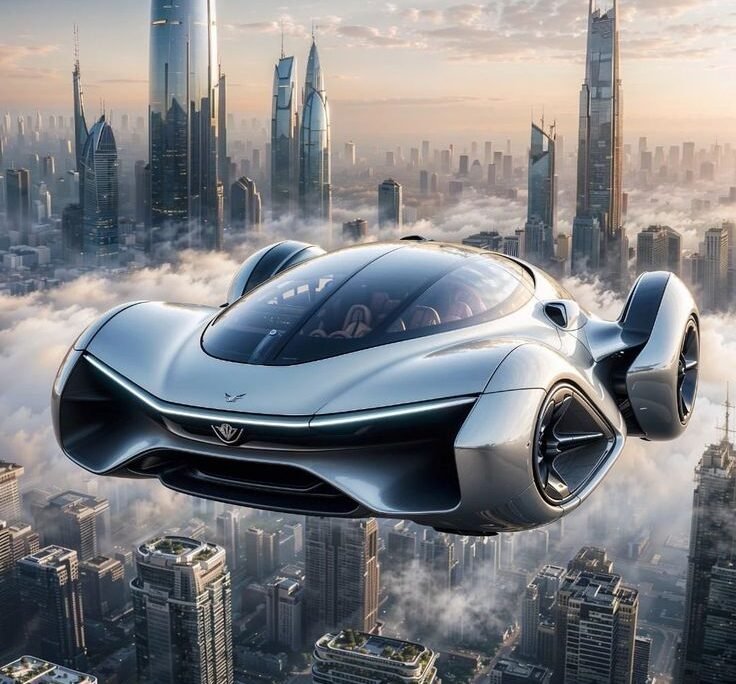
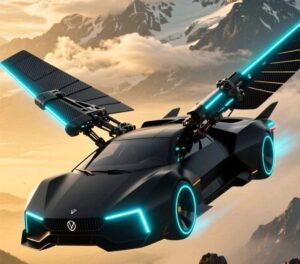
The dream of flying cars has fascinated people for generations. What once seemed impossible is now becoming a serious vision for the future of transportation. The futuristic sky cruiser shown in this concept looks like a vehicle from another era, combining the style of a luxury super car with the freedom of an aircraft.
With its aerodynamic body, futuristic cockpit, glowing blue lights, and advanced-looking propulsion system, this flying car presents an exciting picture of what transportation could look like in the coming decades.
A New Era of Transportation
Traditional cars are limited to roads and highways, while aircraft require airports and dedicated runways. A flying car could potentially combine elements of both worlds.
Imagine leaving your home, rising above city traffic, and traveling directly toward your destination. Instead of spending hours stuck in congestion, passengers could potentially use controlled aerial routes to move across busy cities.
This concept represents a future where transportation is no longer restricted to two dimensions. Roads could remain on the ground while flying vehicles use the space above them.

Futuristic Design
The design of this sky cruiser immediately attracts attention. Its smooth aerodynamic body, sharp lines, enclosed cockpit, and futuristic lighting make it look more like a high-performance spacecraft than a traditional automobile.
The large glass cockpit could provide passengers with a wide view of the surrounding environment. Meanwhile, the streamlined exterior would be important for reducing air resistance and improving efficiency.
The combination of dark metallic surfaces and bright blue lighting gives the vehicle a premium and futuristic appearance.
Advanced Flying Technology
A real flying car would require extremely advanced technology. Electric propulsion could be one possible solution, especially as battery and motor technology continues to develop.
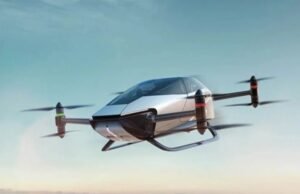
Multiple electric motors could potentially power different propulsion units, allowing the vehicle to control movement during takeoff, landing, and flight.
Vertical takeoff and landing technology could also make flying cars more practical. Instead of requiring a traditional runway, future vehicles could potentially take off from specially designed platforms located on rooftops or transportation hubs.
Advanced sensors, cameras, radar, GPS, and artificial intelligence could help the vehicle understand its surroundings and follow safe routes.
Could Flying Cars Reduce Traffic?
Traffic congestion is one of the biggest problems facing modern cities. Millions of vehicles use limited road space every day, creating long delays during busy periods.
Flying cars could potentially provide another layer of transportation above existing roads. If cities developed dedicated aerial corridors, passengers could travel across congested areas without following traditional highways.
However, flying cars would not automatically eliminate traffic. The sky would also need to be carefully controlled. Air-traffic management, flight routes, communication systems, and landing zones would all be necessary.
Speed and Performance
Speed is another exciting feature of the flying-car concept.
Because aerial vehicles would not be restricted by normal roads, they could potentially travel much faster than vehicles operating in city traffic. However, actual speed would depend on propulsion systems, aerodynamics, battery capacity, weather, safety requirements, and government regulations.
For everyday transportation, maximum speed would not necessarily be the most important factor. Range, stability, efficiency, comfort, and reliability could be much more valuable.
The perfect flying car would need to combine impressive performance with safe and controlled flight.
Luxury in the Sky
Future flying cars could completely redefine automotive luxury.
Modern luxury cars already offer premium interiors, advanced entertainment, powerful engines, and sophisticated technology. A flying car could take these features even further.
A futuristic cabin could include intelligent digital displays, voice controls, automated navigation, advanced climate systems, high-speed connectivity, and comfortable passenger seating.
Instead of concentrating on driving, passengers could potentially enjoy the journey while intelligent systems assist with navigation and flight.
Artificial Intelligence and Automation
Artificial intelligence could become an essential part of future flying transportation.
A flying vehicle would need to constantly monitor its environment. Intelligent systems could potentially detect other aircraft, buildings, weather conditions, obstacles, and changes in the planned route.
AI-assisted flight could help reduce the workload for passengers or pilots. In the future, highly automated systems might handle many routine parts of a journey.
However, such technology would require extremely high reliability because mistakes in the air could have serious consequences.
Safety Will Be Essential
Safety would be one of the biggest challenges for flying cars.
A conventional vehicle can pull over when something goes wrong, but an aerial vehicle must remain safe while in the air. Future flying cars would therefore need backup systems, emergency landing technology, collision avoidance, reliable propulsion, and advanced weather monitoring.
Governments and aviation authorities would also need strict regulations covering flight routes, pilot requirements, vehicle certification, and urban operations.
Without strong safety standards, widespread flying-car adoption would be difficult.
The Future of Adventure
Flying cars could also transform the meaning of adventure.
Imagine traveling above a futuristic city, crossing mountains from the air, or reaching remote destinations without traditional roads. The experience could combine the excitement of aviation with the convenience of personal transportation.
For car enthusiasts, future performance might be measured not only by horsepower and acceleration but also by flight range, efficiency, stability, and aerial handling.https://cargalaxy.online/http://carzons.online